Poison Ivy Removal in Harford County, MD
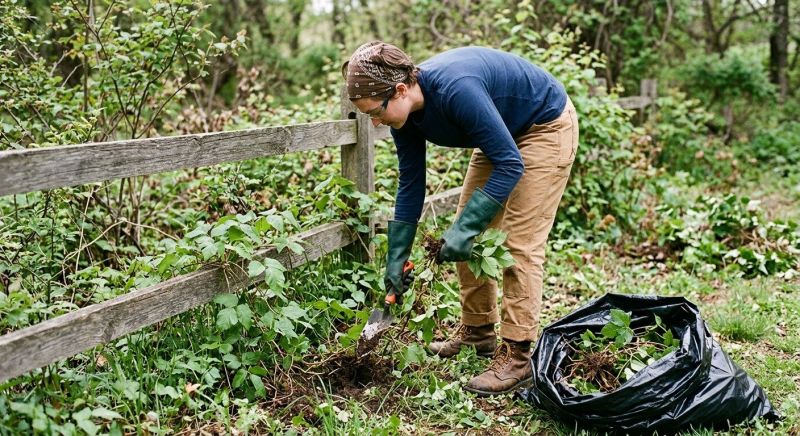
Poison ivy removal services involve the careful identification and eradication of poison ivy plants from residential properties. This service is suitable for projects such as clearing overgrown areas, maintaining landscaped yards, or removing plants that pose a risk to children, pets, or visitors. Property owners should understand that the process typically includes assessing the extent of the growth, safely removing the plants, and disposing of the debris to prevent regrowth. It is important to consider the location of the poison ivy, especially if it is growing near trees, fences, or in hard-to-reach areas, to ensure thorough removal and minimize the risk of skin irritation or allergic reactions.
Before requesting poison ivy removal, homeowners usually want to know about the safety measures involved, the scope of the work, and whether the removal will be comprehensive enough to prevent future growth. Clarifying the extent of the infestation and understanding any potential impact on surrounding plants or structures can help in planning the project. Property owners should also consider if ongoing maintenance or follow-up treatments are recommended to keep the area clear of poison ivy and to ensure the safety of everyone on the property.
Many property owners in Harford County, MD look into Poison Ivy Removal for repairs, replacements, upgrades, and appearance-related improvements.
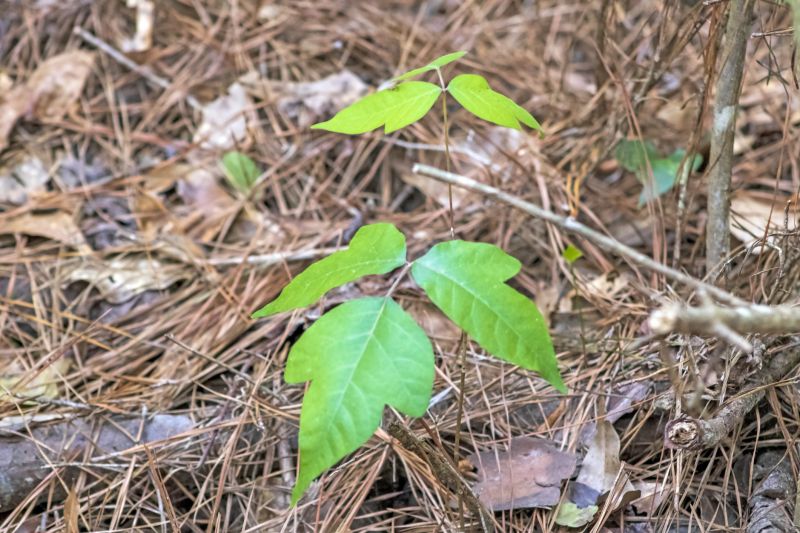
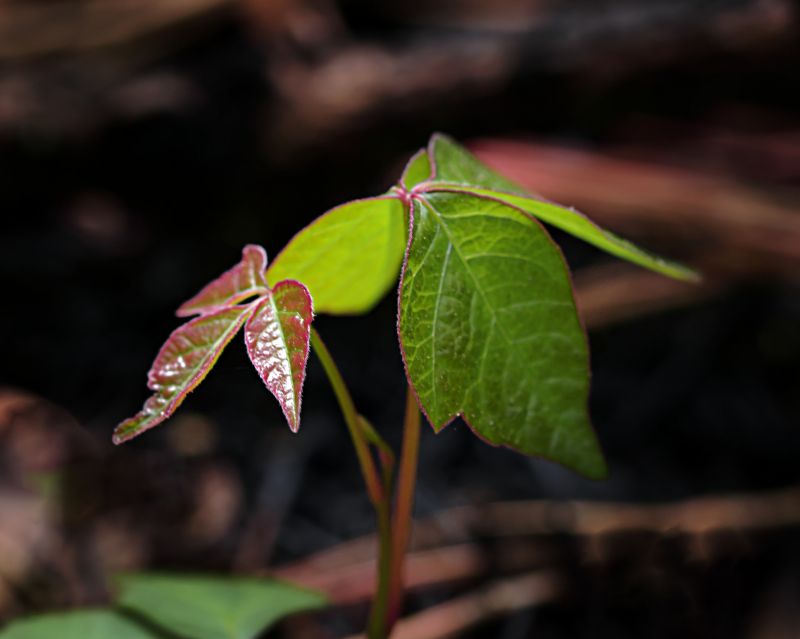
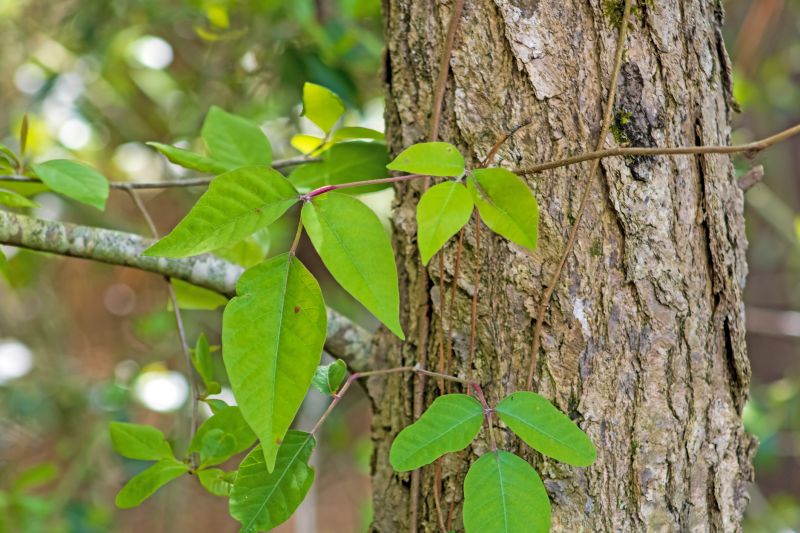
Poison Ivy Identification
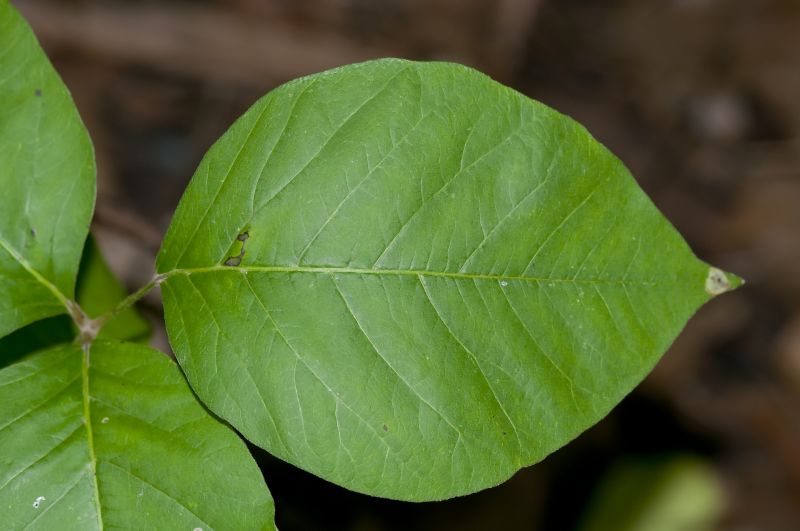
Recognizing the signs of poison ivy helps prevent skin irritation and spread.
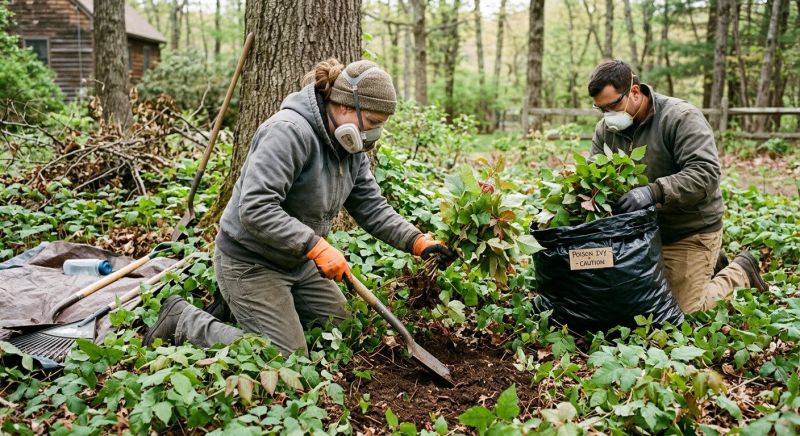
Property Safety
Removing poison ivy reduces the risk of exposure for families and pets on residential and commercial properties.
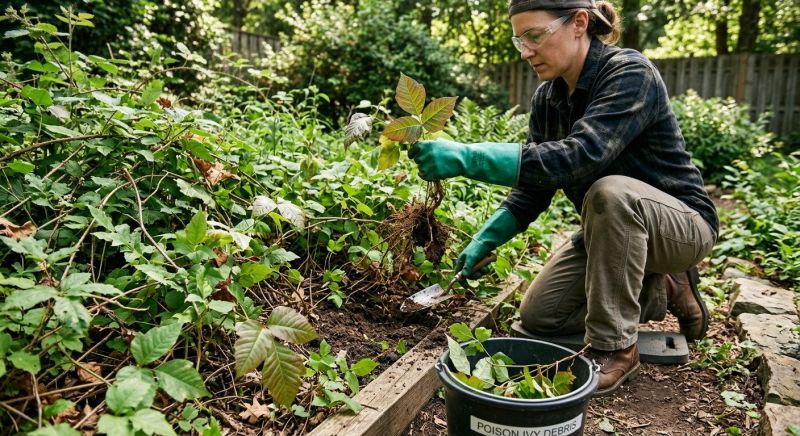
Landscaping And Maintenance
Effective poison ivy removal supports healthy landscaping and maintains the beauty of outdoor spaces in harford county, md.
Poison Ivy Removal in Harford County, MD
Poison ivy removal services involve the careful identification and eradication of poison ivy plants from residential properties. This service is suitable for projects such as clearing overgrown areas, maintaining landscaped yards, or removing plants that pose a risk to children, pets, or visitors. Property owners should understand that the process typically includes assessing the extent of the growth, safely removing the plants, and disposing of the debris to prevent regrowth. It is important to consider the location of the poison ivy, especially if it is growing near trees, fences, or in hard-to-reach areas, to ensure thorough removal and minimize the risk of skin irritation or allergic reactions.
Before requesting poison ivy removal, homeowners usually want to know about the safety measures involved, the scope of the work, and whether the removal will be comprehensive enough to prevent future growth. Clarifying the extent of the infestation and understanding any potential impact on surrounding plants or structures can help in planning the project. Property owners should also consider if ongoing maintenance or follow-up treatments are recommended to keep the area clear of poison ivy and to ensure the safety of everyone on the property.
Many property owners in Harford County, MD look into Poison Ivy Removal for repairs, replacements, upgrades, and appearance-related improvements.
Common Poison Ivy Removal Jobs
Poison Ivy Removal services help eliminate invasive plants that can cause skin irritation.
Yard clearing involves safely removing poison ivy from lawns, gardens, and landscape beds.
Tree and shrub trimming includes pruning areas where poison ivy vines have taken hold.
Property cleanup ensures all plant debris and roots are removed to prevent regrowth.
Vine removal targets poison ivy growing on fences, walls, or structures for safety and aesthetics.
Landscape restoration involves replanting and stabilizing areas after ivy removal to prevent future growth.
Poison Ivy Removal Questions
What is poison ivy removal? Poison ivy removal involves safely eliminating the plant from a property to prevent skin irritation and plant spread.
When should poison ivy be removed? Removal is recommended when poison ivy is growing in high-traffic areas, near children’s play zones, or on the property’s perimeter.
How is poison ivy removed? The process typically includes cutting, pulling, or applying herbicides to eradicate the plant and prevent regrowth.
Is professional removal necessary? Yes, professional removal ensures safe and effective elimination, especially for plants in hard-to-reach or sensitive areas.
Request Poison Ivy Removal in Harford County, MD
Use the quote form on this page to share the basics of your project and request more information for the type of work you need.