Best Timing for Poison Oak Removal
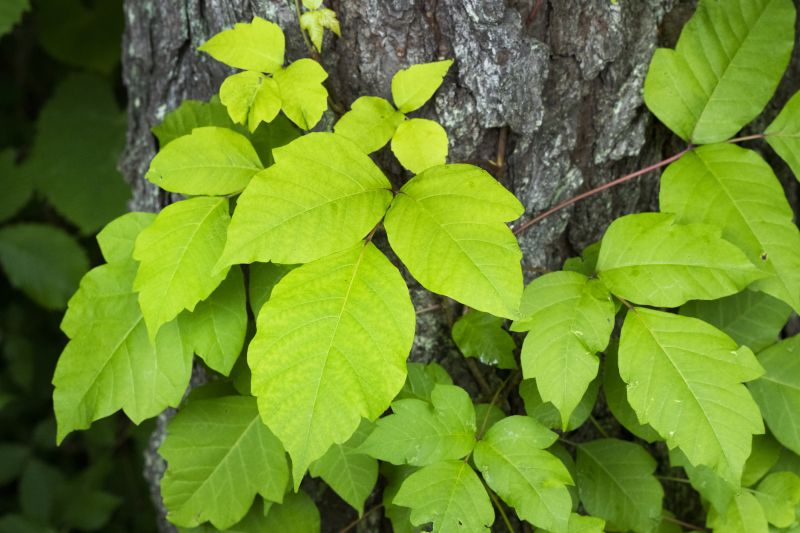
Poison oak is most active during spring, making it an ideal time for removal before it fully proliferates.
Late summer is suitable for removal as the plants are mature but before seed dispersal peaks.
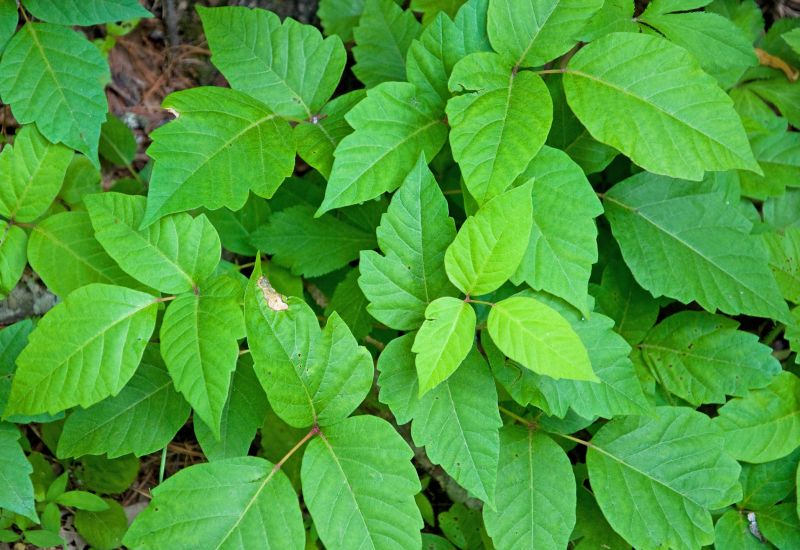
Early fall allows for removal before the plant enters dormancy, reducing regrowth chances.
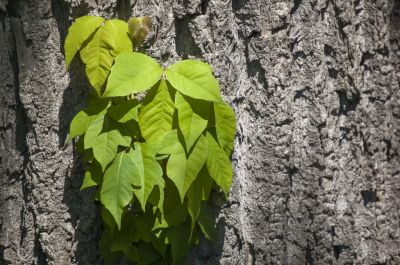
Ways to make Poison Oak Removals work in tight or awkward layouts.
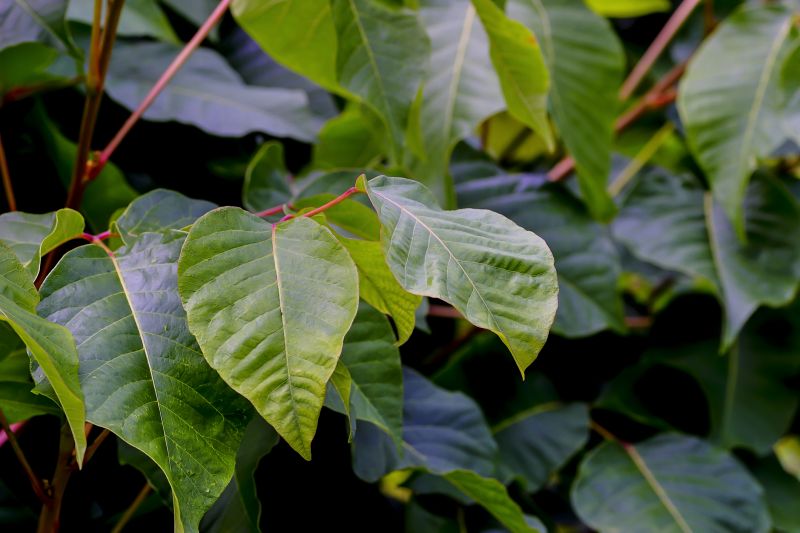
Popular materials for Poison Oak Removals and why they hold up over time.
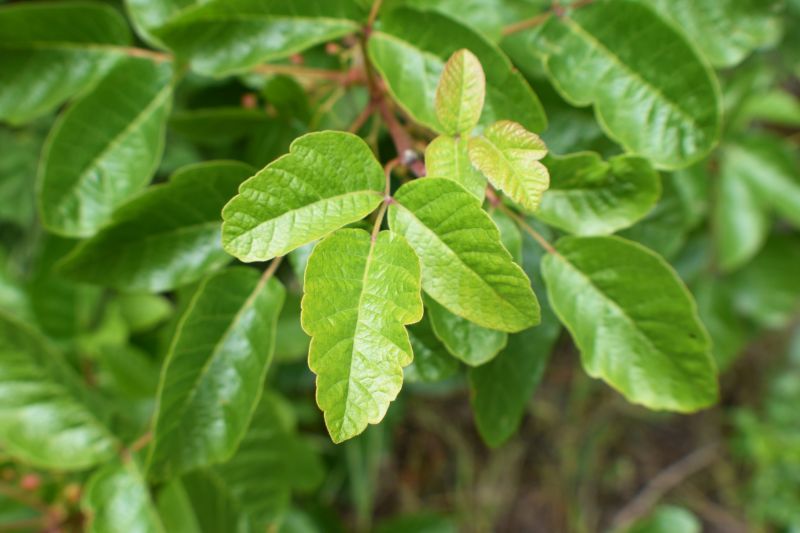
Simple add-ons that improve Poison Oak Removals without blowing the budget.
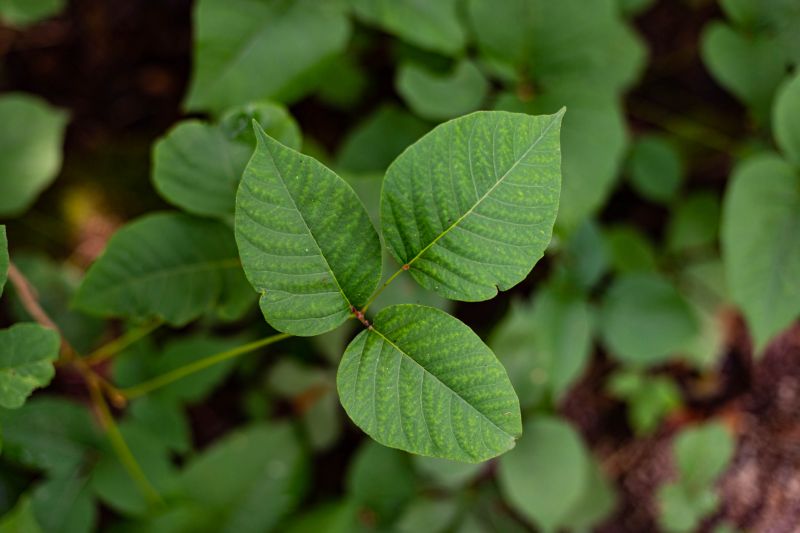
High-end options that actually feel worth it for Poison Oak Removals.
Finishes and colors that play nicely with Poison Oak Removals.
Poison oak removal timing is critical for effective management and minimizing health risks. The plant's growth cycle influences the best periods for removal, with early intervention often leading to better control. Understanding seasonal patterns helps in planning safe and efficient removal efforts.
Statistics indicate that removing poison oak during active growth periods reduces the likelihood of regrowth and spread. Proper timing ensures less exposure to the plant's urushiol oil, which can cause allergic reactions. Seasonal control also aligns with environmental conditions that facilitate safer removal practices.
Poison oak typically sprouts in spring, matures in summer, and enters dormancy in fall.
Contact with poison oak can cause skin irritation, allergic reactions, and respiratory issues.
Mechanical removal during active growth phases is most effective, especially before seed dispersal.
Dry, warm weather favors poison oak growth, influencing removal timing.
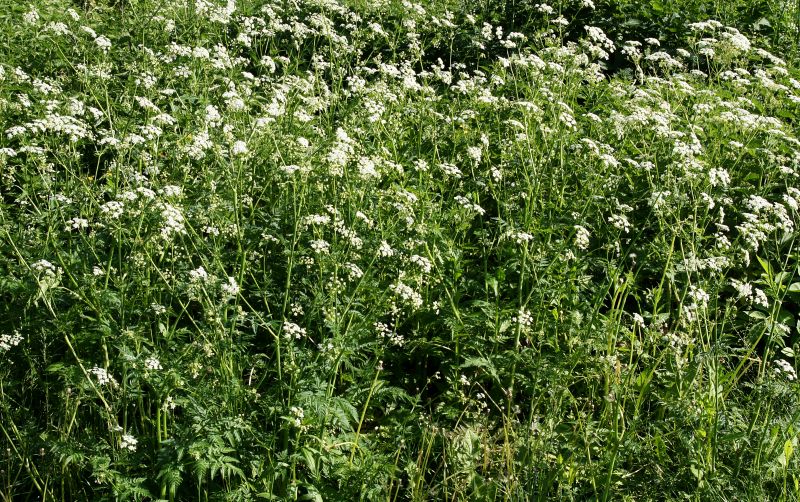
Little measurements that prevent headaches on Poison Oak Removals day.
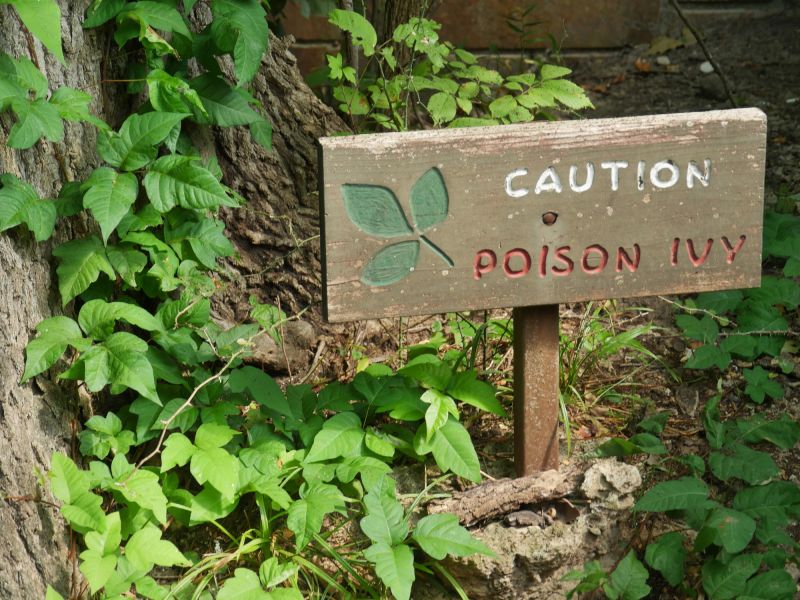
A 60-second routine that keeps Poison Oak Removals looking new.
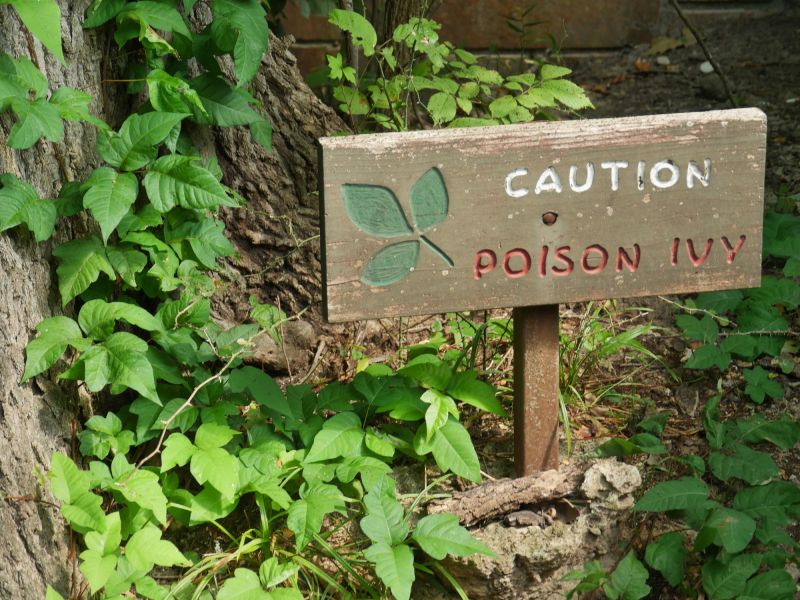
A frequent mistake in Poison Oak Removals and how to dodge it.

Small tweaks to make Poison Oak Removals safer and easier to use.
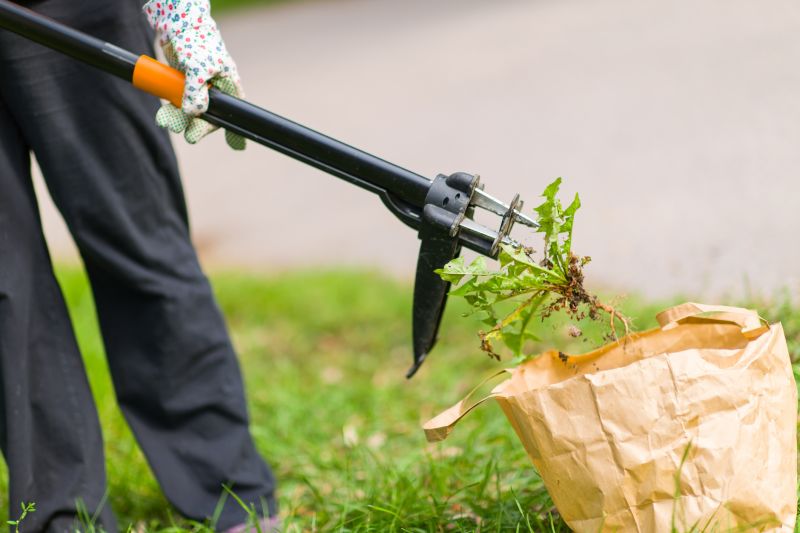
Lower-waste or water-saving choices for Poison Oak Removals.
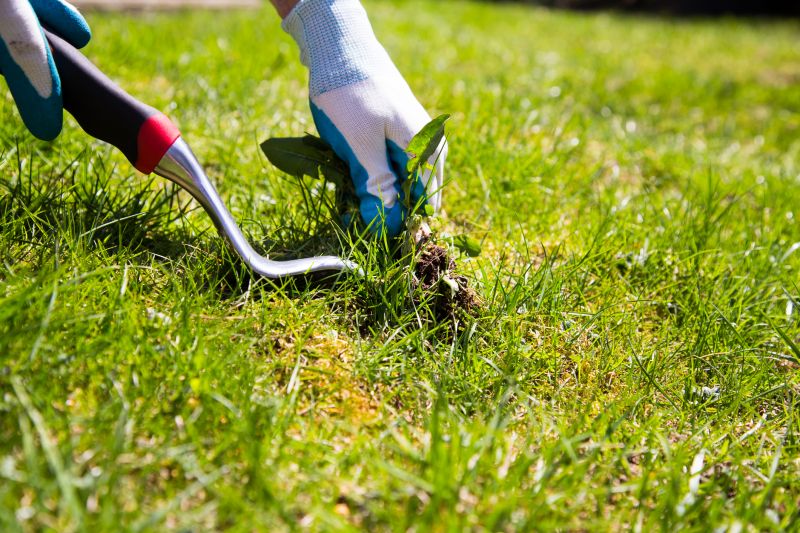
The short, realistic tool list for quality Poison Oak Removals.
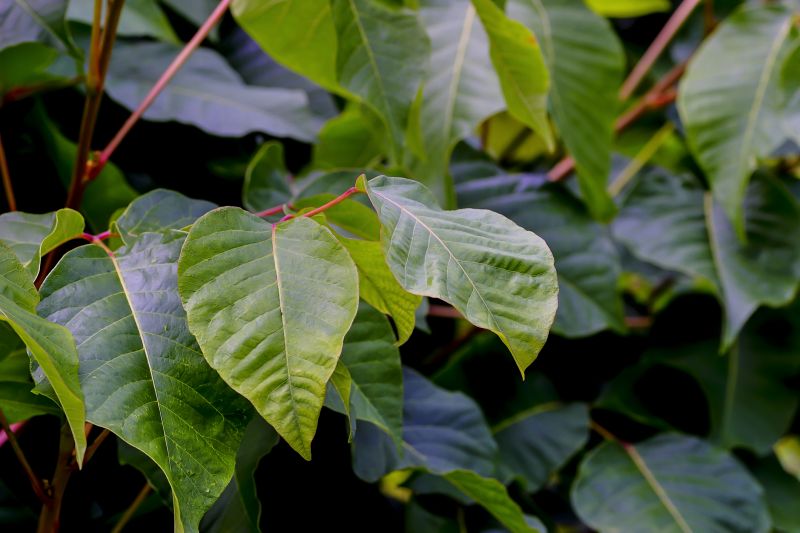
Rough timing from prep to clean-up for Poison Oak Removals.

Quick checks and paperwork to keep after Poison Oak Removals.
| Season | Best Practices |
|---|---|
| Spring | Begin removal early to prevent proliferation. |
| Summer | Target mature plants before seed dispersal. |
| Fall | Remove plants before dormancy and seed spread. |
| Winter | Generally not recommended due to plant dormancy. |
| Early Summer | Monitor for new growth and address promptly. |
| Late Summer | Control mature plants before seed dispersal. |
| Late Fall | Prepare for dormant season removal. |
Understanding the seasonal behavior of poison oak supports effective removal strategies. Early intervention during active growth phases minimizes health risks and reduces the plant's ability to spread. Proper timing also enhances the safety of removal personnel and the long-term control of infestations.

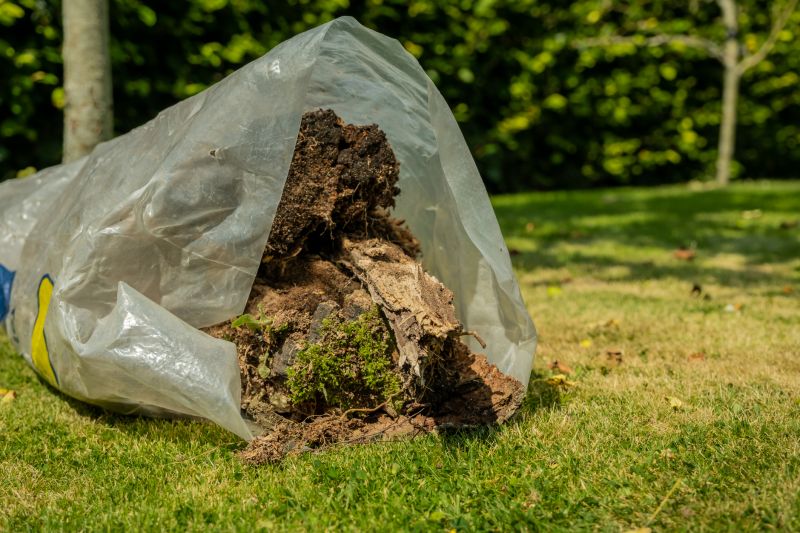
Tools designed for safe removal during active growth periods.

Essential gear to prevent skin contact during removal.
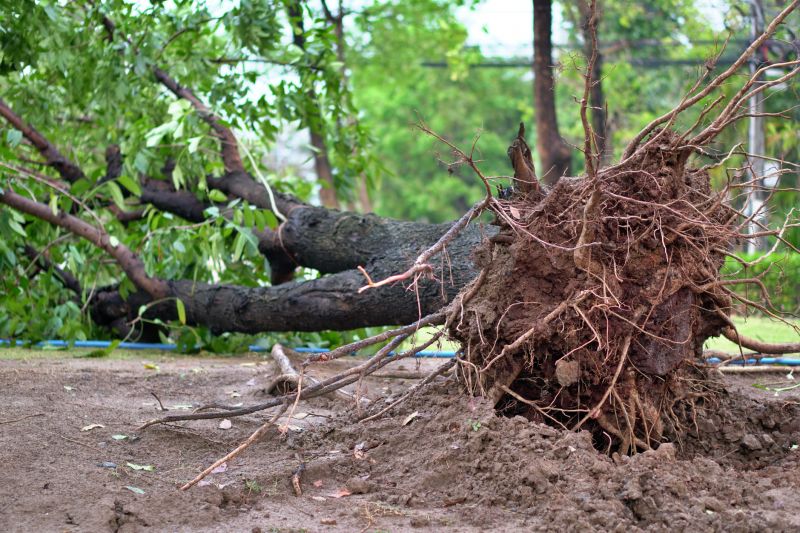
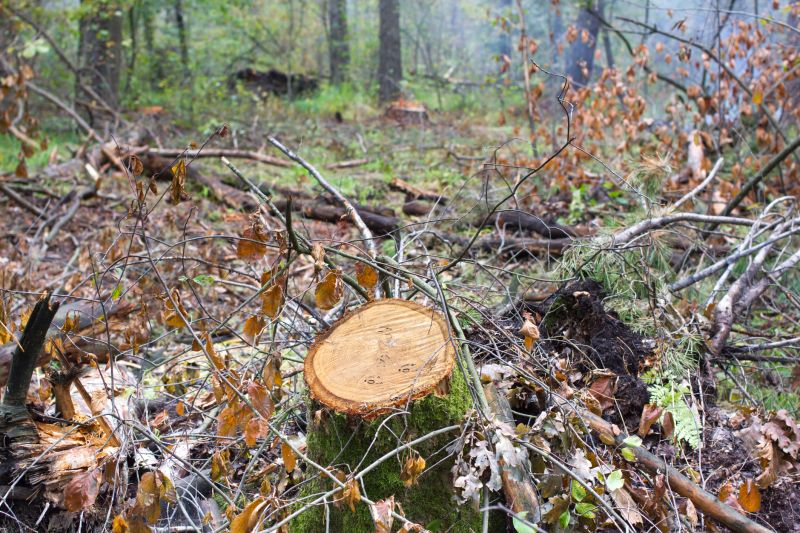
Site after poison oak has been effectively removed.
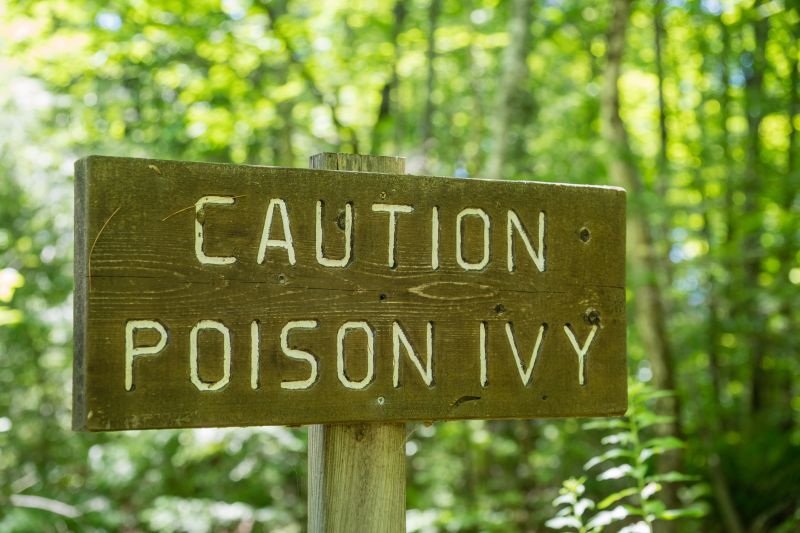
Ways to make Poison Oak Removals work in tight or awkward layouts.

Ways to make Poison Oak Removals work in tight or awkward layouts.
Ways to make Poison Oak Removals work in tight or awkward layouts.
Ways to make Poison Oak Removals work in tight or awkward layouts.
Ways to make Poison Oak Removals work in tight or awkward layouts.
Interested in poison oak removal services? Filling out the contact form can provide additional information and assist in scheduling an effective removal plan tailored to specific seasonal needs.